
Before reading this blog, you may choose to read Occitania Part 1: Carcassonne and the fate of Occitania.
* * *
There is a certain irony in French Tourism that promotes the Languedoc region of France as Cathar Country. Afterall, there are no Cathars left. Catharism, a Christian religious sect, was eradicated in the South of France in the 13th century by the Kingdom of France and the Catholic Church. Yet, their existence, the story around them, is still enough to draw tourists to the area. For me, the Cathars provide an interesting reference point, a historical story, to digest and experience this exquisite area of mountain chateaus, valley vineyards, quaint old villages, and medieval monasteries.
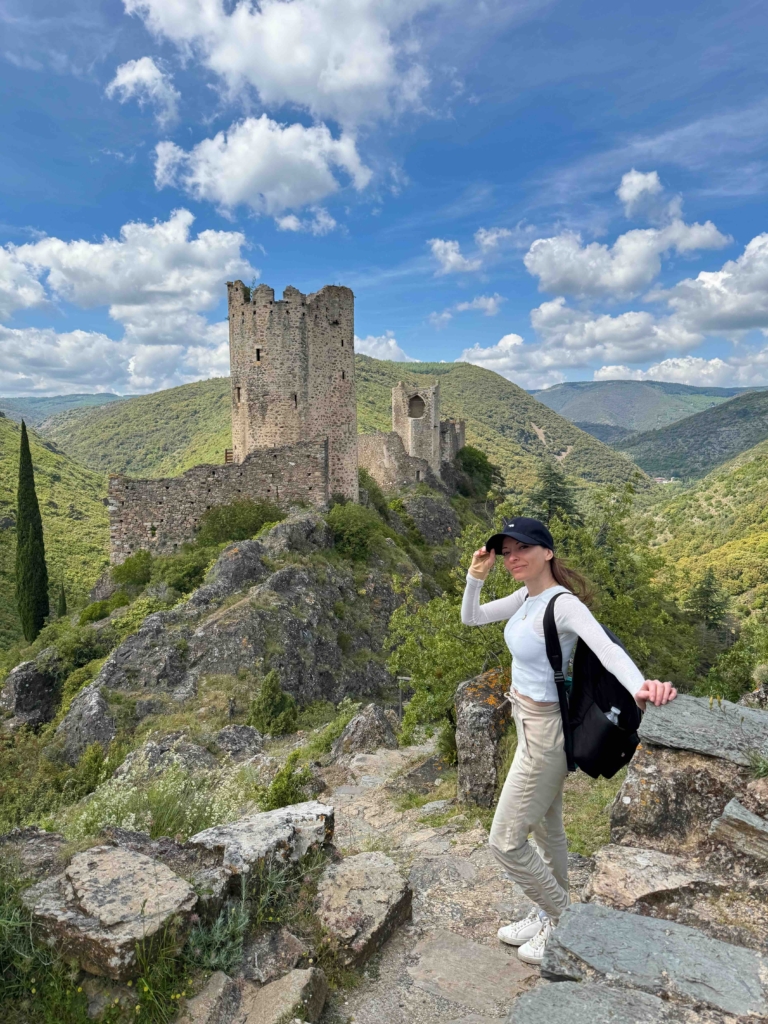
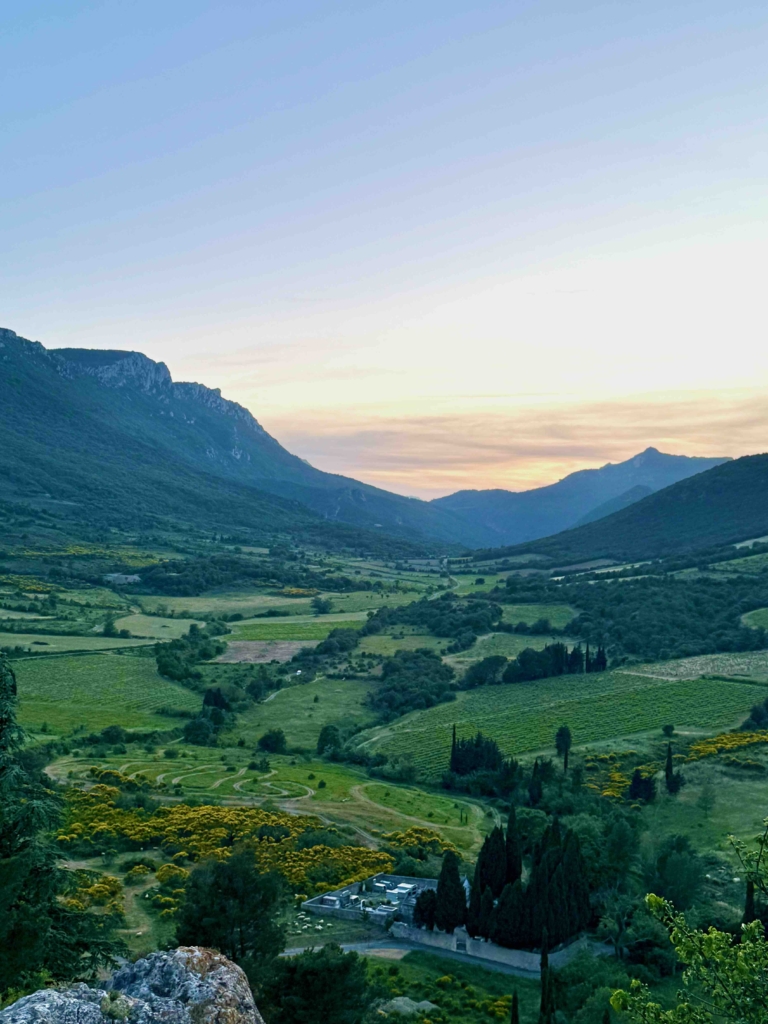
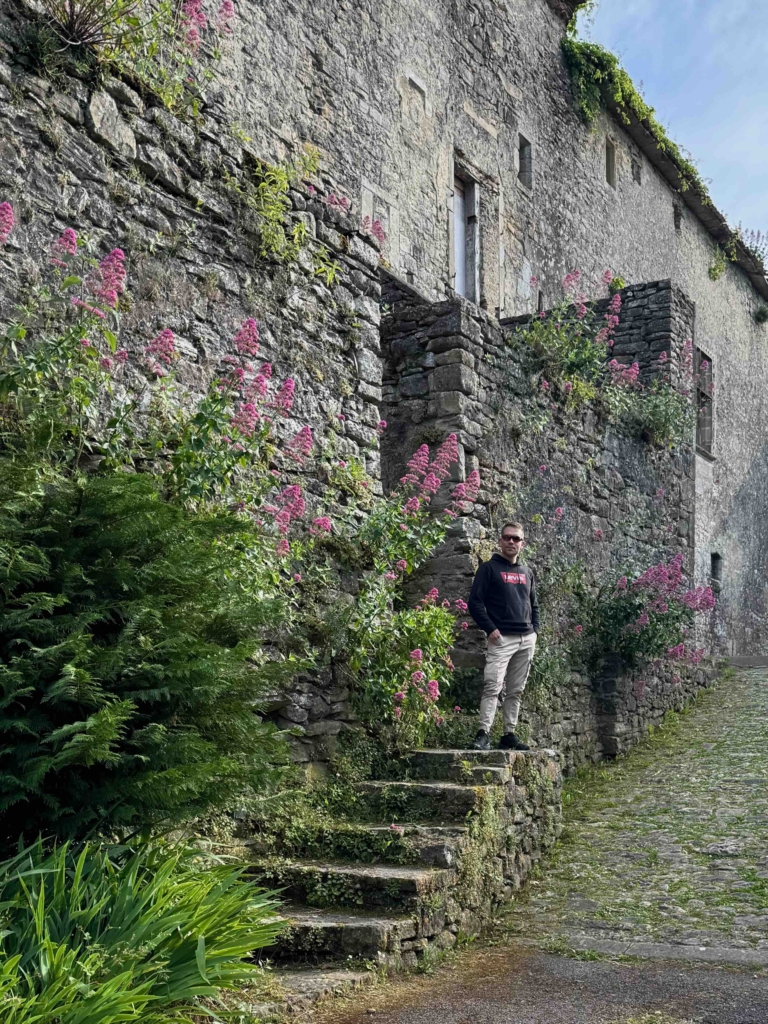
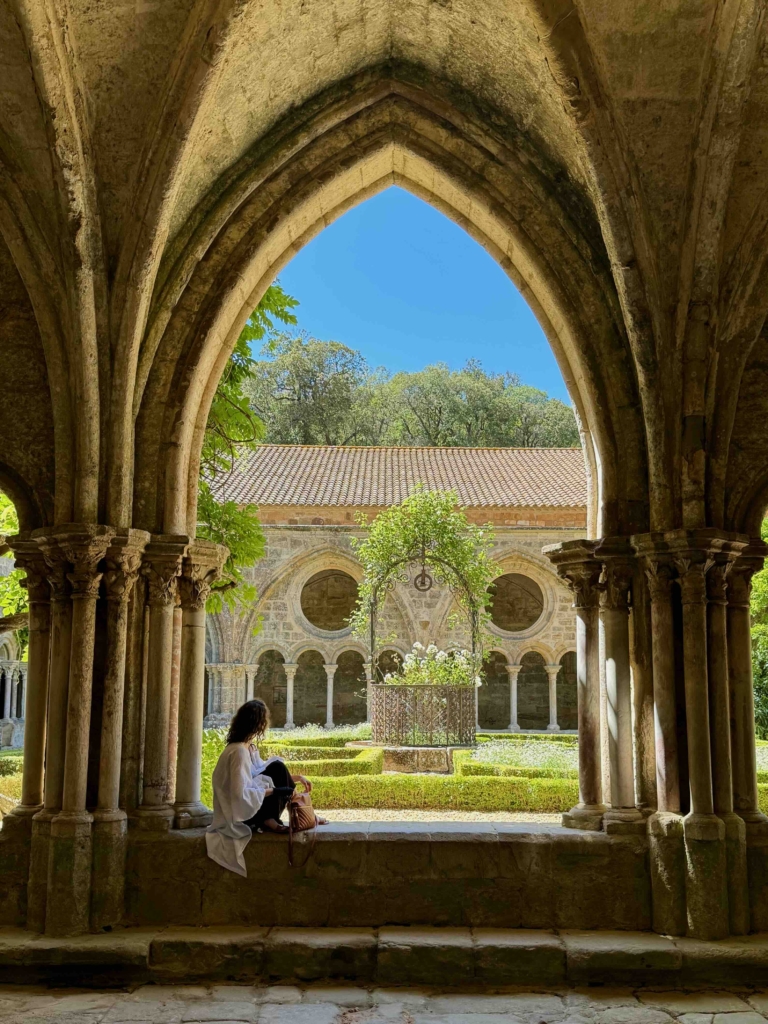
What was Catharism? What made it so threatening to the Catholic Church? The fact is, we only know the broad strokes of it, and these mostly from interrogation records from the Church, not the Cathars themselves. The Albigensian Crusade, named after the town of Albi and its environs where the church identified the heretical leanings of Catharism, is the crusade that sought to convert or eliminate the Cathars. Hence, it is also referred to as the Cathar Crusade.
Catharism is in a long list of heresies that have been a part of Christianity since inception. Cathar beliefs invoked an older heresy know as Gnosticism, which was one of the first Christian duelist heresies. In duelist heresies, there is generally a belief that the soul of a person was created by God, and that the body, even all of the material world, was created by a lesser god or the devil (it is hard to state specifics since there was considerable variation in belief). The soul or spirit of a person is held in an evil or impure cage (the body) and its quest is to return to the divine – God. Catharism was an iteration, or variation, of these older heresies.
The Cathars had no de facto supreme leader to enforce uniformity among them, and they certainly rejected the authority and supremacy of the Catholic Pope. Much like Martin Luther in the 16th century, they saw the Catholic church as corrupt and preoccupied with the material world. But they did have a clergy: a monk-like class that were given the name of parfaits – the perfect.
Parfaits, also known as Good Christians, committed to a simple and ascetic life. The Good Christian did not eat meat, except fish, made fasts, and renounced sexual activity. Nevertheless, parfaits were not separated or removed from the community in churches or temples; they often worked and toiled at a manual trade to support themselves and lived in the community among believers.
As with Catholicism, most followers of the Cathar faith were not parfaits (just as most Catholics are not priests). The majority were just believers: lay people and secular individuals who strove to live a life in the basic beliefs of Catharism and who listened to the wisdom and spiritual guidance of the parfaits.
Drastically divergent from their Catholic counterparts, the Cathars believed in Reincarnation. Reincarnation, much like in Buddhism, Hinduism or other religions, was a process of being reborn after death to live another life (or multiple lives) until spiritual purity is achieved and unification with divine takes place.
Cathars rejected the rituals and rites of the Catholic church. Of the 7 sacraments of the Catholic Church – Baptism, Confirmation, the Eucharist, Reconciliation, Anointing of the Sick, Holy Orders, and Matrimony) – the Cathars only practiced Baptism (or Consolamentum, as they called it). There are so many write-ups on the Cathars, and often conflicting, that it is challenging to lay out a succinct and accurate description of their beliefs. Moreover, there were obvious variations in belief and thought from region to region, and town to town. With so many differences within Catharism, and between Catharism and Catholicism, I struggle at times to even understand how they were Christian. For example, Cathars rejected the idea of Christ’s suffering on the Cross and the Resurrection, and, therefore, humanity’s salvation afforded by the crucifixion. They refused to incorporate the Cross as a symbol of their faith and even saw it as a depiction of torture. To many Cathars, Jesus was never human: he was an angelic spirit sent by the good God, the divine, to teach humanity the importance of casting off the earthly and evil body. The suffering on the cross was merely an illusion (this is in line with Docetism, another Gnostic belief). But where the Christianity of the Cathars comes into play is their belief in the teachings of the New Testament Gospels. They accepted these, along with the Lord’s prayer, though they had no affinity with the Old Testament and the vengeful God therein. So, it was belief in the teachings of Jesus Christ that makes Cathars Christian.
* * *
Now, I will risk putting a bullet (maybe an arrow is more apt given the medieval context) in just about everything I have said on the Cathars. Recall, I mentioned “conflicting accounts” of the Cathars, and this is where there is considerable nuance in the history of these heretics. The more I research the Cathars (what do you call a novice wannabe amateur historian?), the more it becomes apparent that there is a popular (even romanticized) notion of who and what they were, but that isn’t necessarily accurate.
To start, the very term Cathar was not used by the heretics themselves, and scantly – if ever – by the Medieval Catholic church. In addition, given the loose structure of the heretical movement, attempting to formally label and crystallize the belief system of Cathars is problematic because it doesn’t account for regional and local variation of the beliefs. Indeed, some historians have suggested that there was no Cathar heresy at all, but rather a series of heresies or differing and inconsistent beliefs that had one single common feature: a resistance to the orthodoxy of the Catholic Church and its teachings. The heresy (or heresies) represented a challenge to the monopoly the Roman Church had on how salvation was achieved for Christendom’s souls. Thus, the Good Christians of Catharism could well be anyone not notarized to speak by the Church. In today’s parlance, they are the upstart experts on Instagram that talk about health or diet with more followers than any professional and licenced GP. To the church, this type of rogue preaching from imposter holy men and women, selling different versions of salvation that undermine the message of the Church, could not be tolerated. The Cathars represented a new mode of achieving salvation – one that was more self-directed and did not require the Church intermediating with rights, sacraments, and a professional priestly caste.
And we must never forget that in Medieval times, the separation of church and state, of the distinction between the secular and the ecclesiastical, did not exist. They were woven together and entwined, one in the same vine: knights and lords of a feudal king that was excommunicated need no longer serve him or fulfill their secular feudal obligations. Royal courts were filled with religious advisors, and emissaries who frequently travelled between Kings and Queens and Rome for intelligence, news and, above all, to court one another for consent, agreements, treaties, and favourable decisions or decrees. Thus, a France that wanted to expand its geographical territory mirrored a Papal state that wanted to expand its spiritual dominion.
This runs contrary to several blogs I have read on the Cathars. Many want to project modern views and sentiment onto the Cathar Crusade and the Cathars themselves. And I think it’s easy to see why. The story is an identifiable one: a seemingly peaceful people trying to practice their beliefs while being threatened and persecuted by a powerful external entity that wants to exterminate them. As with any story, the more one can focus on a single hero (a single belief system), the more coherent and understandable it becomes. Complexity can kill a good tale.
Yet, even in recognizing all the above, I will continue to use the term Cathar. But perhaps the reader will be mindful that the term is unstable, and that it reflects an array of opinions and beliefs present in Occitania in the 13th century. For, whatever ambiguity on Cathars or their beliefs we might include or exclude, we do know that there was a Crusade, that the Church and French Kings worked together to impose their rule in Southern France, and that people of a heretical persuasion resisted on religious grounds along with Counts and Lords who resisted for political reasons to preserve their independence.
* * *
In the autonomous region of Occitania, the Cathar heresy found a peaceful place to live and spread. In the Middle ages, Occitania was bordered by the Pyrenees Mountains to the South – and the Kingdom of Andorra, which is modern Spain – and the growing and expansionist Kingdom of France to the North. Nestled between these kingdoms, Occitania seemed to chart its own path with a distinct culture and language, called Occitan (or langue d’oc). Catharism seemed to have little resistance from regional political authorities; in fact, many counts and countesses, lords and ladies claimed to be believers in the faith. Thus, the independence of the region seemed to encourage a unique measure of tolerance and openness.
Independence and tolerance, however, made it a target for both Rome and the French Crown. Catharism challenged the authority of the Catholic Church, and the Kingdom of France was keen for conquest. So, when Pope Innocent III called for a crusade against the heretics, the French King and his feudal lords and knights were ready to answer. France now had two benefits in prosecuting the crusade: 1) It could show its allegiance to Rome and the Catholic faith and; 2) It could now invade Occitania, take land, and veil ambitions under the banner of the cross.
* * *
In 1209 at the beginning of the Crusade, the city of Beziers in Occitania was sacked and many of its inhabitants (some heretics, but most not) were butchered by the crusading army. After the brutal destruction of Beziers, other towns, including Albi, surrendered without a fight or with minimal resistance. And when Carcassonne fell in the same year, the rulers of Occitania and the adherents of Catharism would have been shaken – the Crusaders had put them all on notice. After all, these were fortified towns and cities, and Carcassonne’s rulers – the prominent Trencavel family – were regional aristocracy.
Many Cathars and refugees sought shelter in the village of Minerve. There might have been a feeling that the village sitting on a natural rocky hilltop surrounded by a winding river would provide reasonable defense against an enemy army. When the Crusaders arrived in the summer of 1210, they laid siege. The geography posed a barrier, to be sure; but the Crusaders built trebuchets and bombarded the village from opposing cliffs, gradually eroding the defenses. When a key fortified walkway of the village that provided access to fresh water was destroyed, the fate of the village was sealed, and surrender was the only way for anyone to survive.
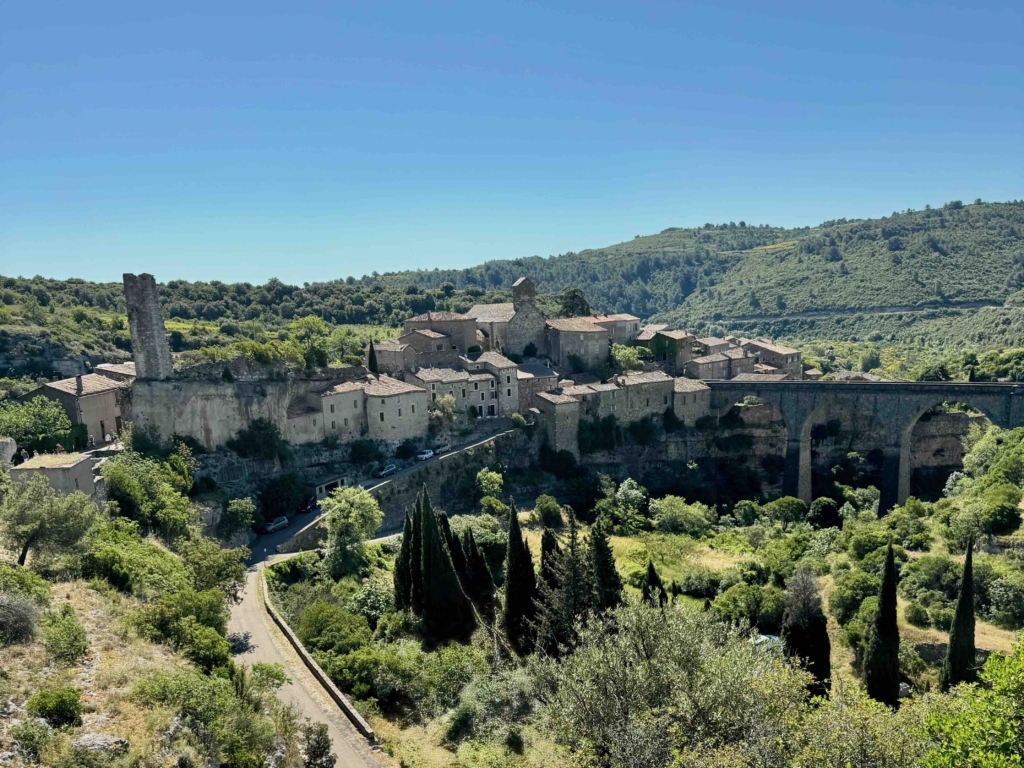
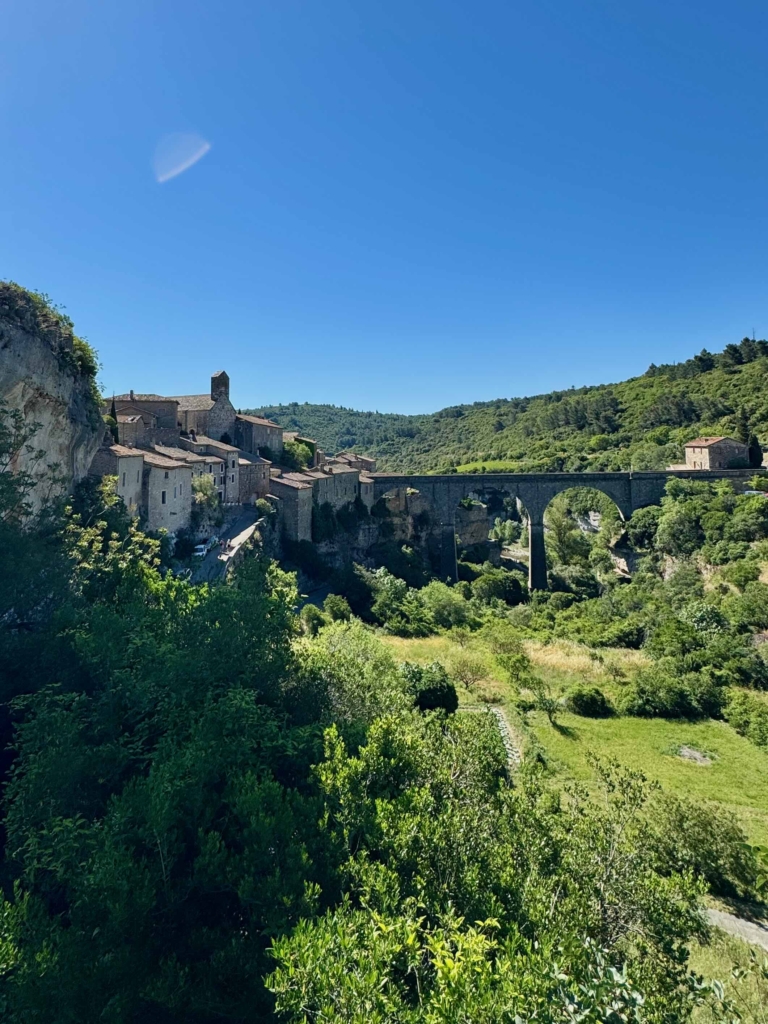
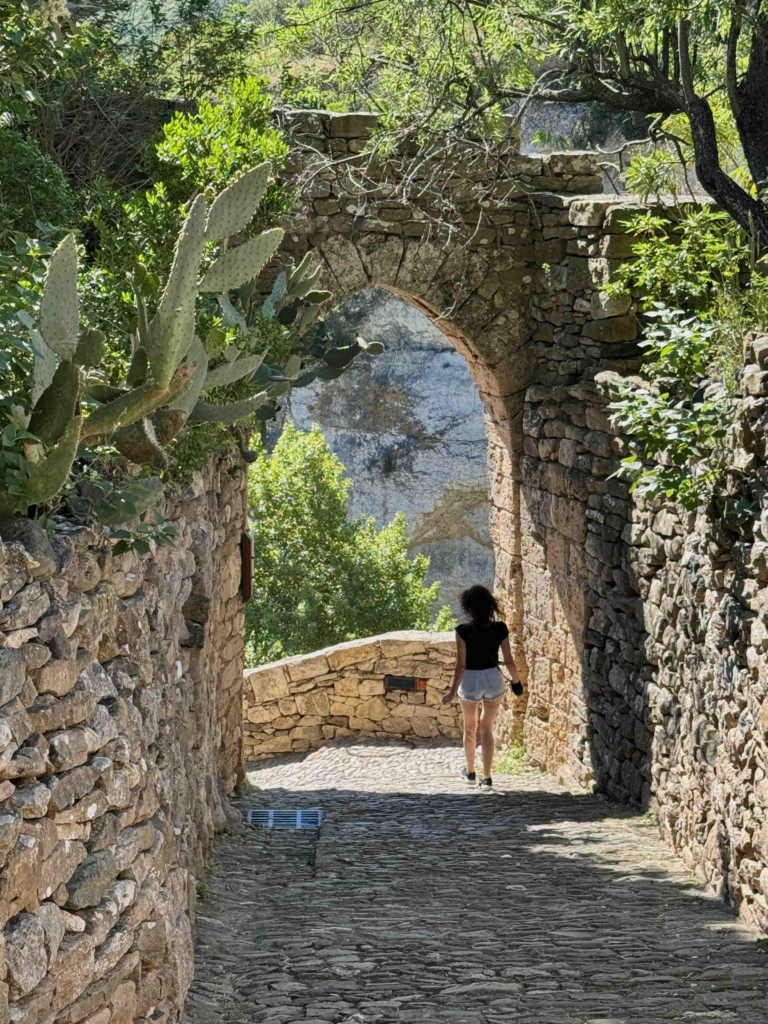
Unlike Beziers, the Crusaders seemed to have been more reserved in their bloodlust. A massacre was averted when anyone who recanted their Cathar faith was permitted to live. But as with many strong believers of any faith, there were martyrs. Some 150 Cathars who refused to recant burned at the stake. Some readings of the siege’s aftermath suggest that most of these Cathar martyrs were parfaits, where others merely point to people who refused to accept and embrace Catholicism.
The inhabitants of Occitania learned the Crusaders were relentless. Not only were Cathars forced into hiding, but Occitania’s rulers who did not surrender their kingdoms to the enemy or who sheltered Cathars had their lands confiscated. Those Occitania nobility who resisted became known as Faidit Lords – a term used to indicate nobility dispossessed of their lands by the Church and Crusaders. These Faidit lords would form an active resistance group waging battles and skirmishes against the church and crusaders.
Though the Faidit lords rallied Occitania and had their small victories, they were ultimately too few to turn the tide of the war. Occitania would ultimately succumb to the might of France and the Church.
Read Occitania Part 3: Saints and Heretics and the end of Catharism.