
This year, I ventured to France for good dose of Medievalism. I went there with the thought that that this would be my last trip to the country, having been on other occasions to Paris, Normandy, the Loire Valley, the Artois region, and of course, the Cote D’Azur. In short, I have seen the cultural icons of French art and architecture, retraced the steps of Canadian soldiers in two World Wars, and took in the famous rays of sun on the beaches of the French Riviera. I have even spent a day wandering the streets of Nantes, the origin of my great relations that left that city to come to Canada in the 18th Century. These ancestors bequeathed me a name I am entirely undeserving of, for I don’t know a lick of the French language. My father, who was fluently bilingual, likely felt as much shame as I did when I revealed little aptitude for my distant mother tongue. But I have compensated for this lack of competence in language by a sincere love of France, its culture and history, and its landscapes. So after four different trips, I can say almost everything I wanted to see in France, I have seen.
I don’t mean to suggest I’ve seen it all. And I know there will be plenty of people that say I must see this place or do that thing in order to truly appreciate the country. And if France were the only country in the world to experience, I would see and do it all. But there are other countries to travel to and learn about. At some point, I accepted my France bucket list was nearly complete. There was, however, one item outstanding. That place was introduced to me back in University during a Medieval Studies Class. My memory is a bit foggy on the specifics, but I distinctly remember seeing an image (presumably in a textbook) of the great walls of Carcassonne. I marveled at them and swore then that I would visit those walls, that city.
So, I embarked on a final trip to this wonderful land.
* * *
As our train pulls into Carcassonne station, I can see nothing of those walls. But I know they are somewhere to the south, as is my hotel. The Carcassonne of those pictures I saw back in University is sometimes referred to as the Cite Medieval and is on the other side of the town called La Bastide St-Louis. We grab our luggage and begin the walk, but don’t get far as we are distracted with admiring the Canal du Midi that passes through Carcassonne.
Built in the reign of King Louis the XIV in the 17th century, the canal was an engineering marvel in scope and ambition – it linked the Mediterranean coast of France with the city of Toulouse in the centre of the country, crossing almost 250 kilometers of land at varying heights. Later, using the navigable waterways West of Toulouse, French engineers would effectively create a river that connect the Atlantic Ocean to the Mediterranean Sea. For a time, the canal witnessed the great age of barges that carried goods and commerce across the length of the country from sea to sea. But railways and automotives in the 20th century would render it increasingly obsolete so that now it is used for tourism and leisure.
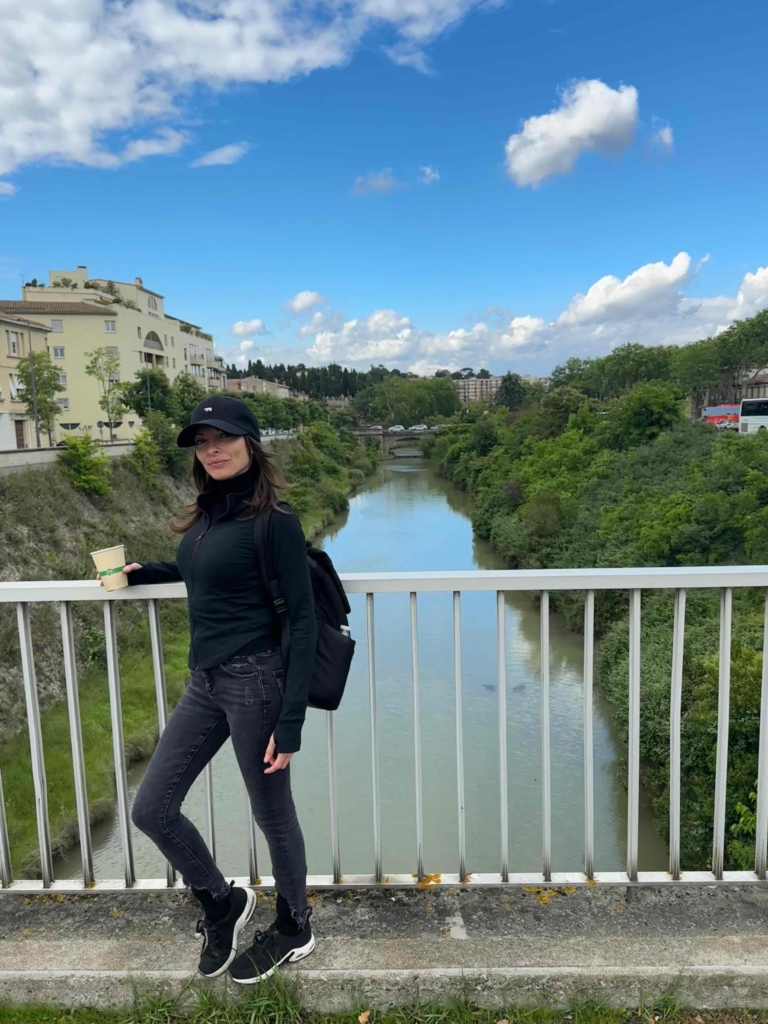
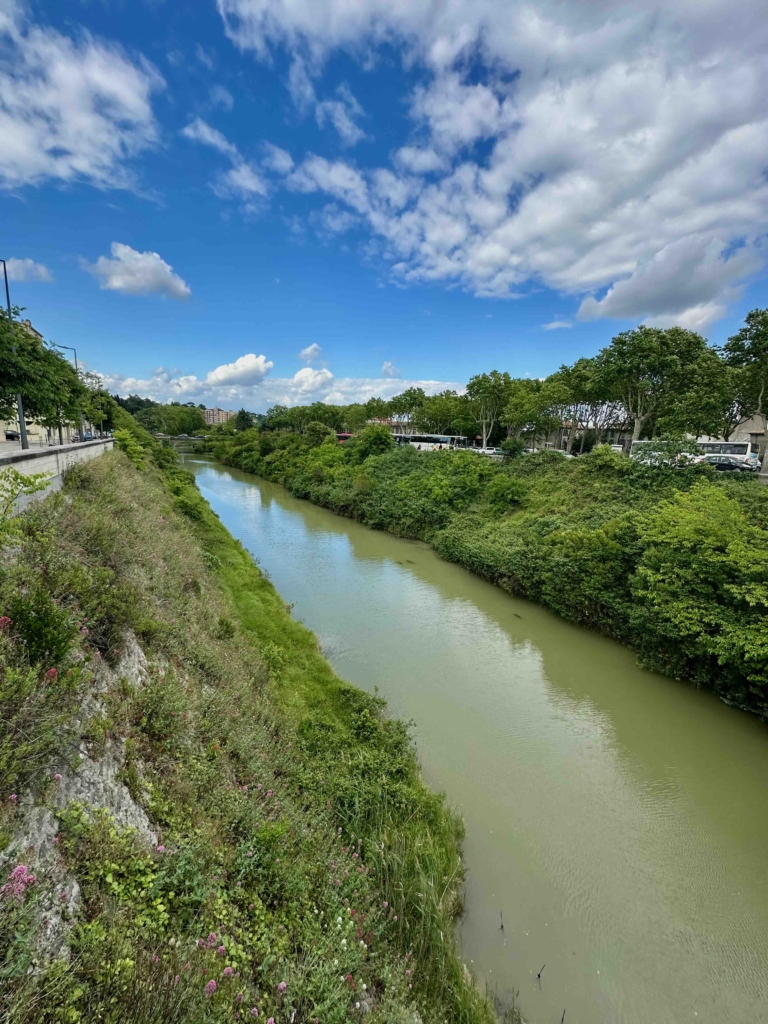
We resume our walk to the hotel for some 20 minutes, slightly slowed by our luggage. And when we round a corner, I see them in their majesty – the walls of Carcassonne. They are University textbook views (except in colour), the medieval fortifications aglow in the sun, thick and seemingly impregnable.
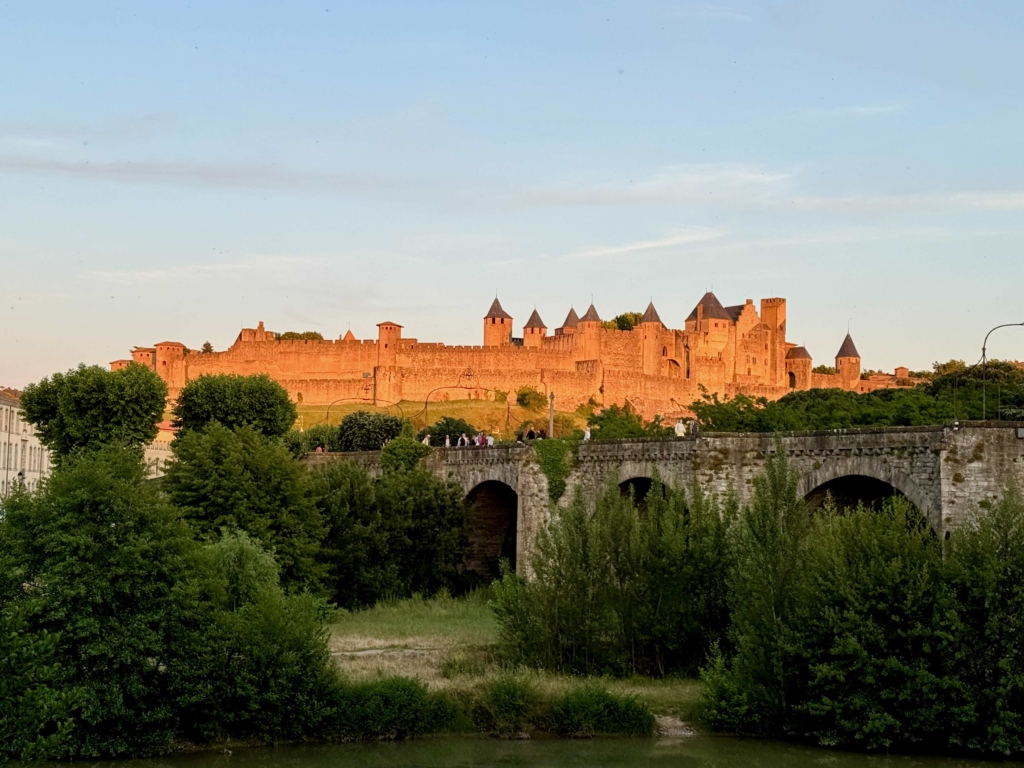
This was one of the most important seats of power in the Occitania region in the Middle Ages. Before modern France existed, before its borders had been solidified, Occitania was its own culturally and linguistically unique area in what is now Southern France near the Pyrenees mountains bordering modern Spain. It was the home of great storyteller poets and musicians, the Troubadours, who entertained the Occitan nobility with tales of courtly love and adventure.
The fortress of Carcassonne, like so many places in history, has gone through many iterations. The Romans were first to establish a defensive structure overlooking the Aude river. Over a thousand years, the fortress passed between various rulers, including Franks and Saracens, but it is in the late Medieval ages that its heavy and daunting appearance took shape: first under the powerful Occitania noble family of the Trencavels, and afterward under the French Crown. Although walking through the Medieval City is enjoyable at any time, the evening and early morning before the visitor rush is the most enjoyable. The streets are quieter, mostly empty, and the mind more easily imagines a different time amidst the magic of the cobbled streets and houses – heavily romanticized, of course.
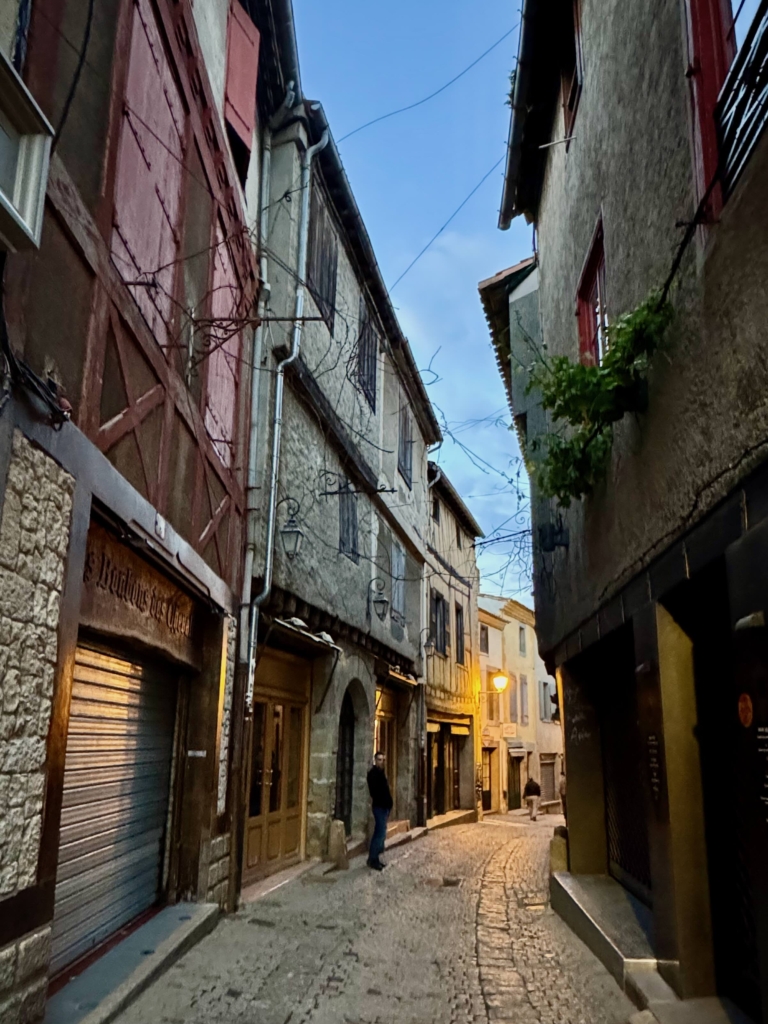
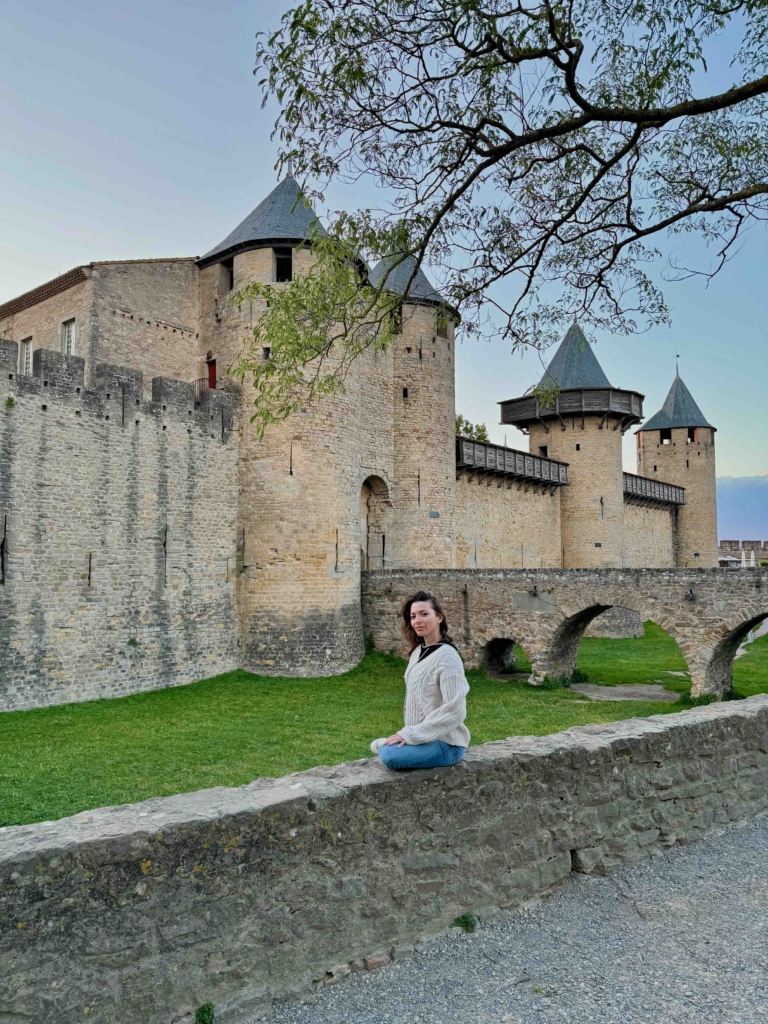
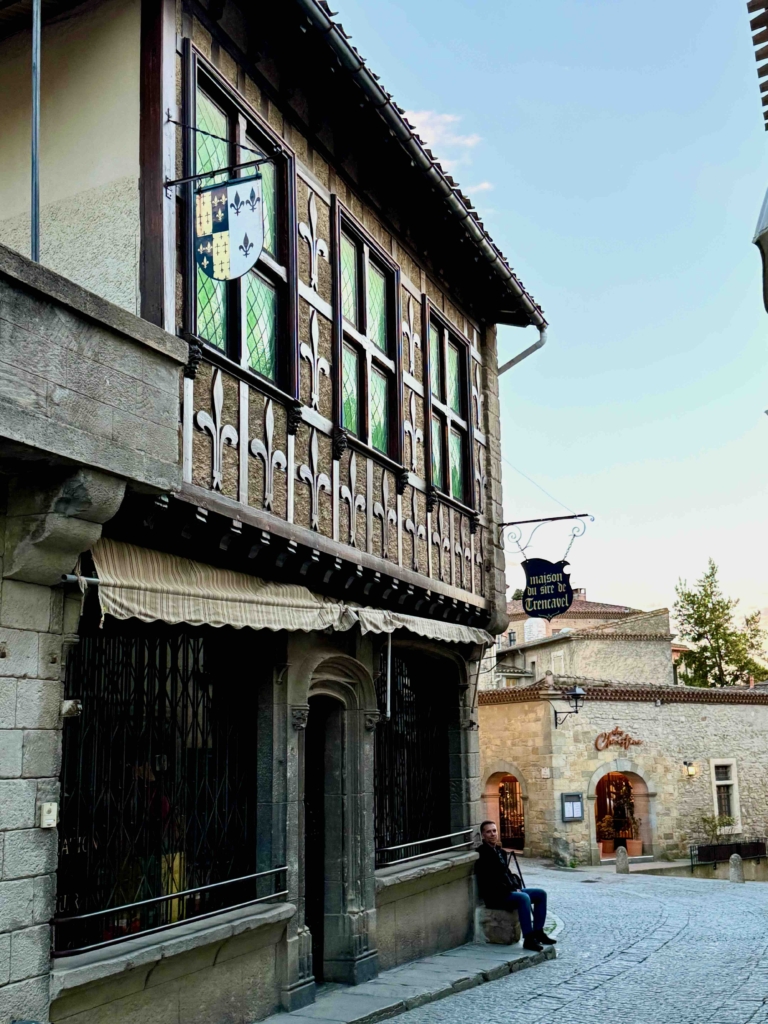
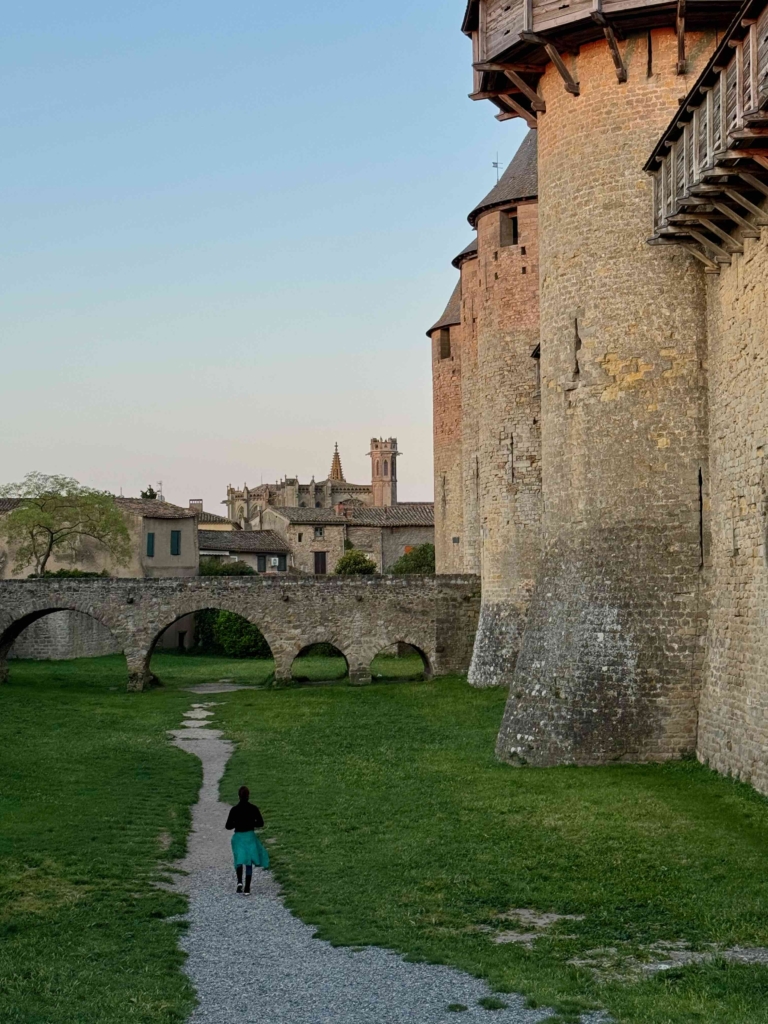
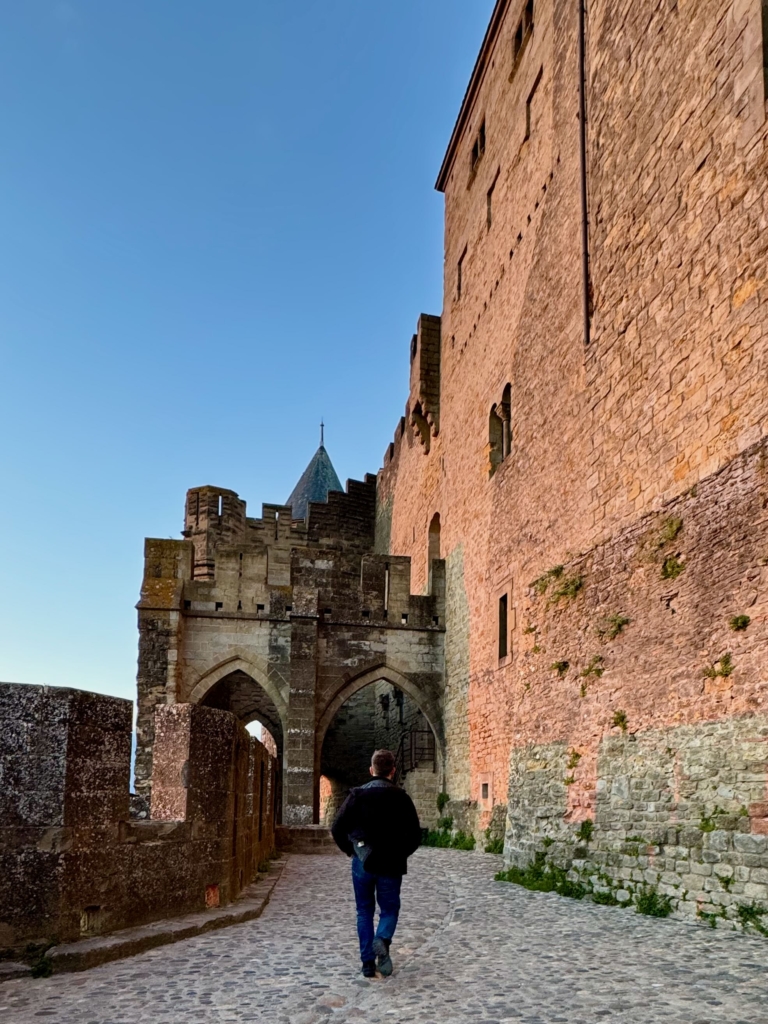
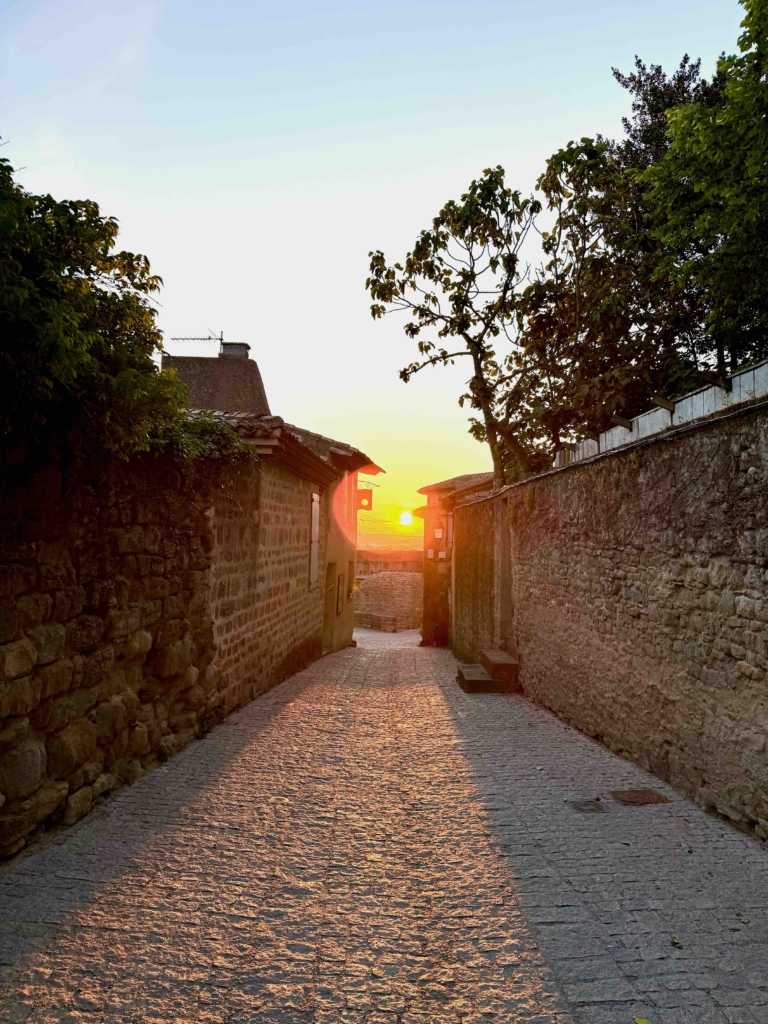
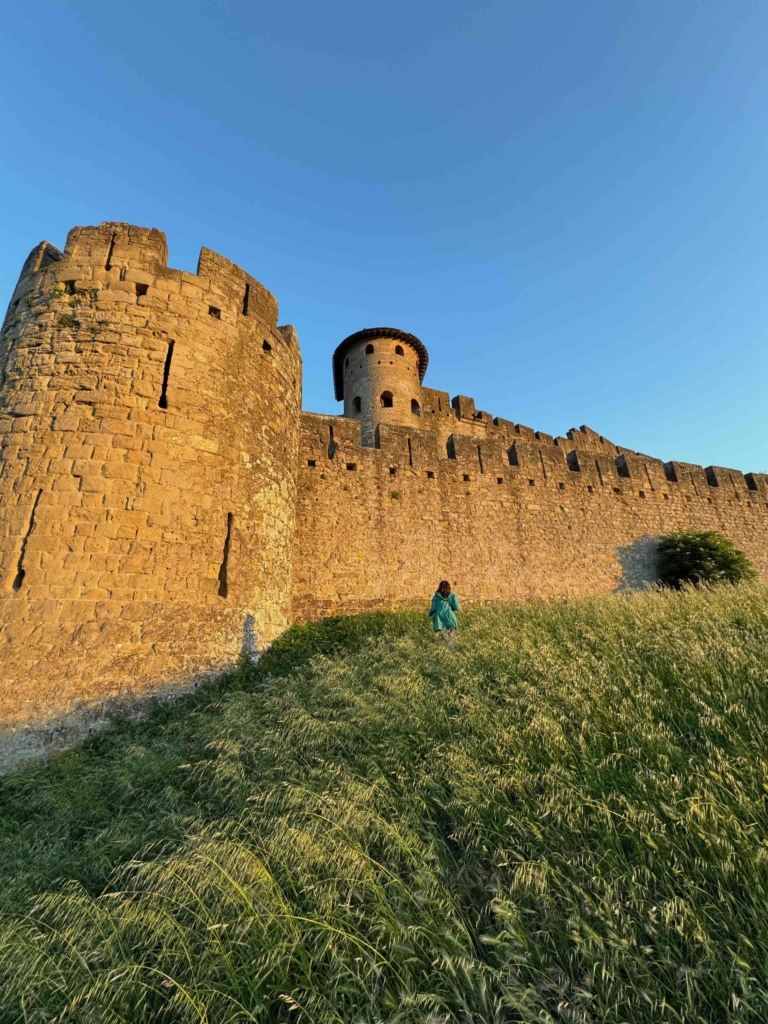
But a daytime visit offers some benefits. The Medieval Basilica is wonderful to walk around. And the Castle of the Counts, where visitors can access the walls and walk around the entire Medieval City from up high, is a must-do. Although the views from the wall of the city and countryside beyond are good, what is really impressive is the extent of the fortifications and just how invincible they appear.
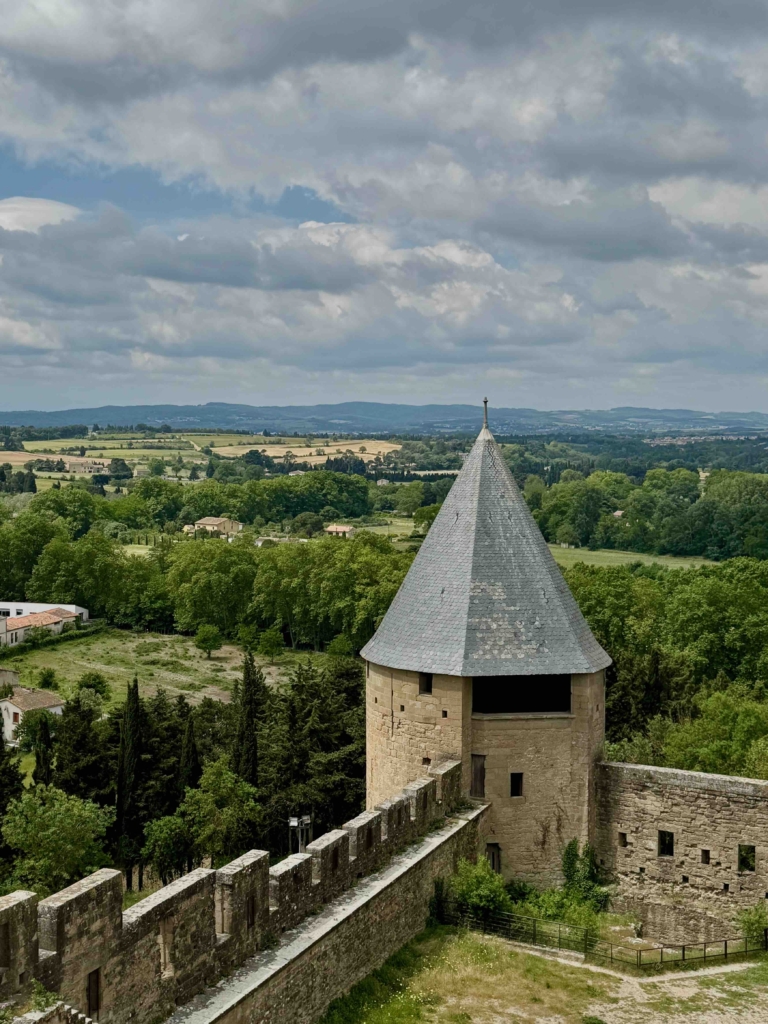
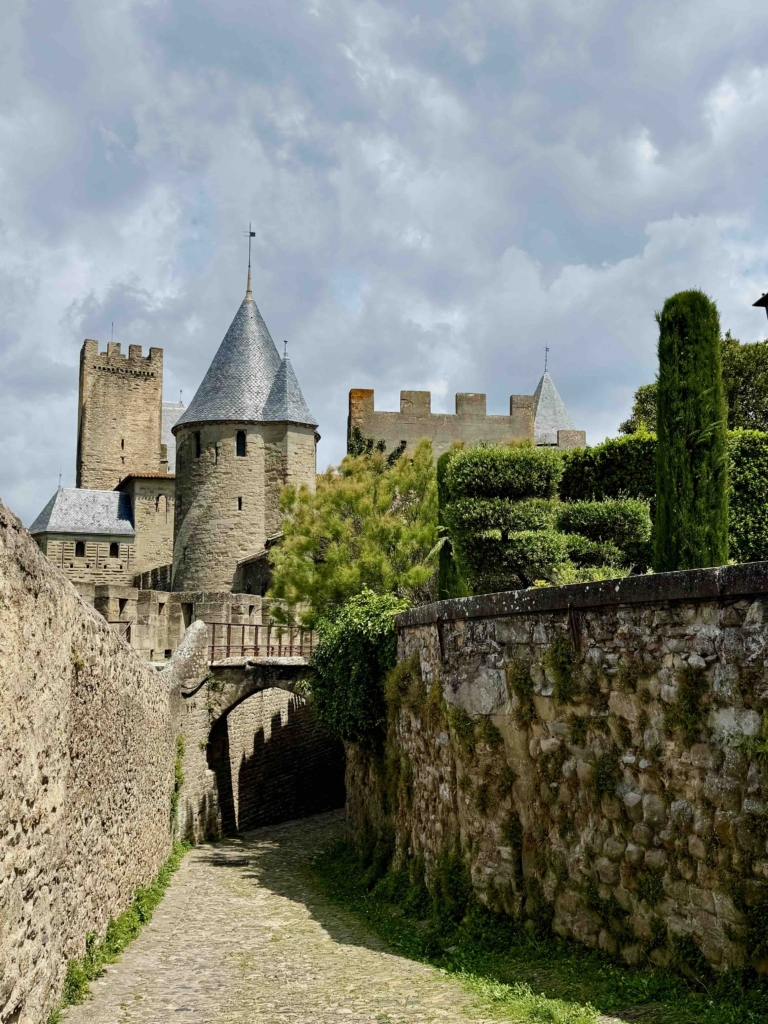
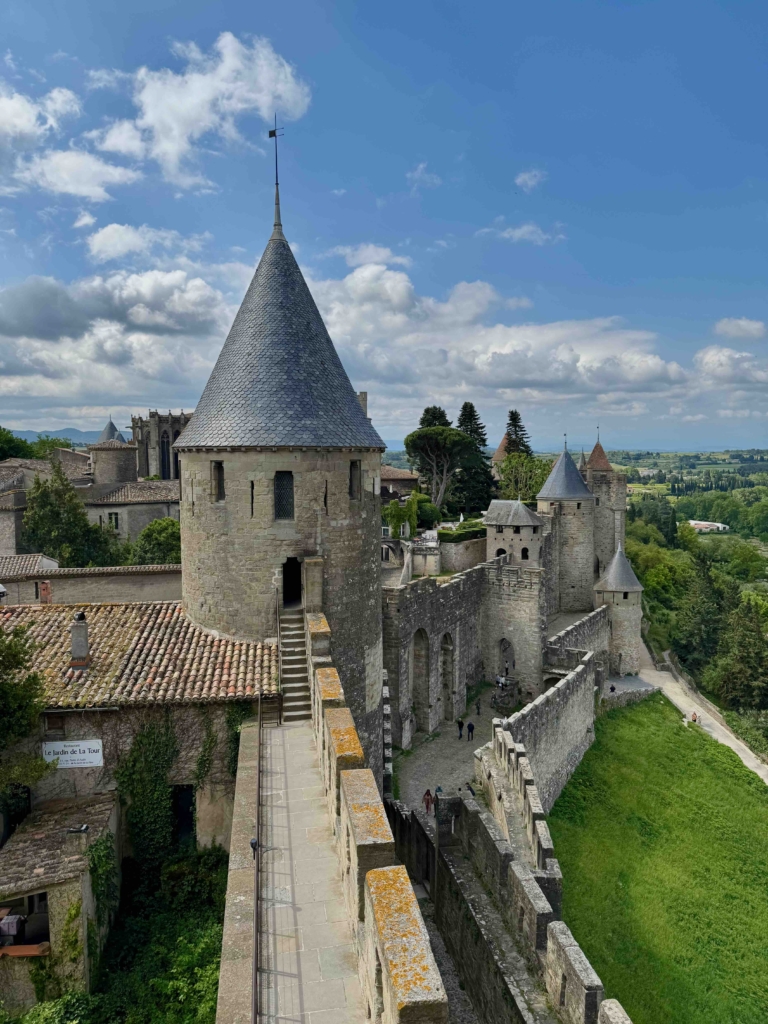
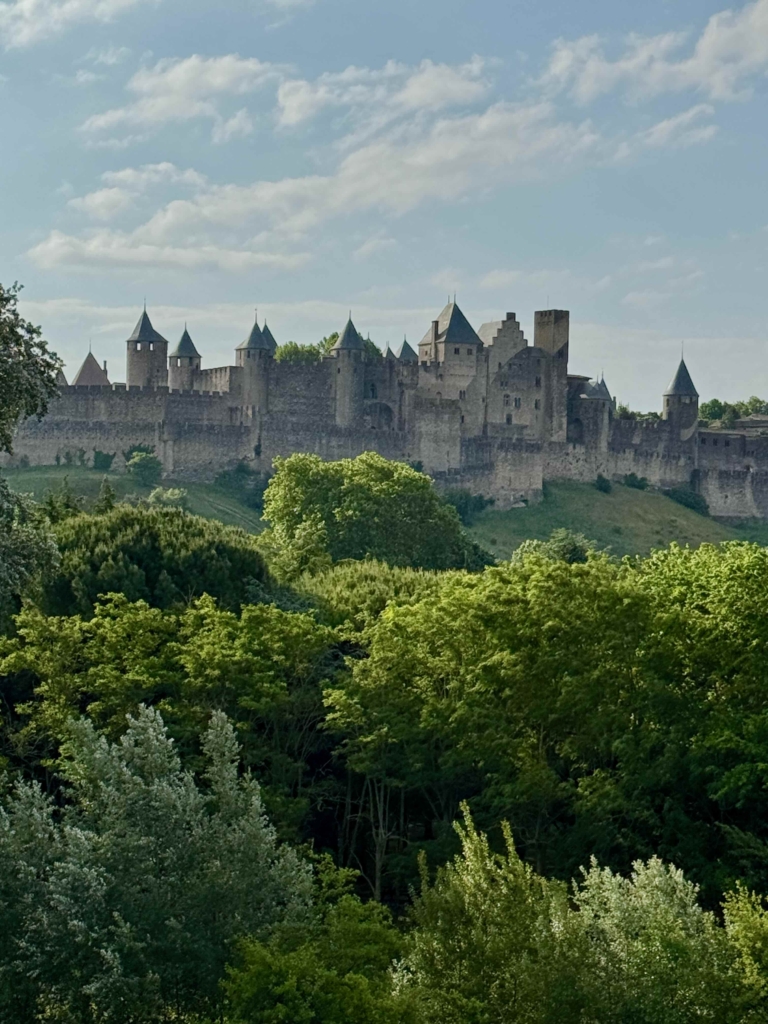
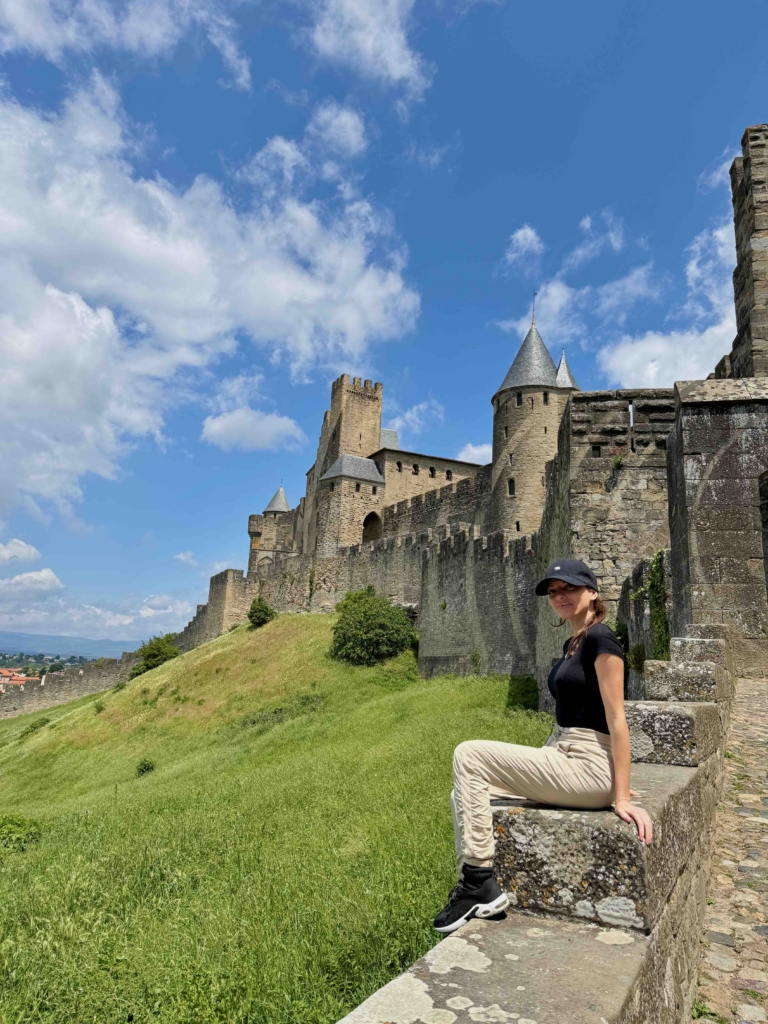
Confusingly, all of the effort put into these defenses was near pointless when Carcassonne fell in 1209 to the crusading French Army. The Viscount of Carcassonne, Raymond-Roger Trencavel, surrendered the city after a brief siege. Seemingly, low provisions of food and water and an excess of refugees from the ravages of war in the region meant that although the walls were strong, the resilience of the citizenry was not. Raymond-Roger might well have fought to the end had he known what was in store for him: he died in his own dungeon under strange circumstances as a prisoner of the French. Nevertheless, he did guarantee the lives of his citizens: the inhabitants of Carcassonne were able to leave the city unmolested, but had to take only those belongings they could carry. For many citizens, leaving their houses and small possessions they had acquired in life might well have felt like a price too great to pay.
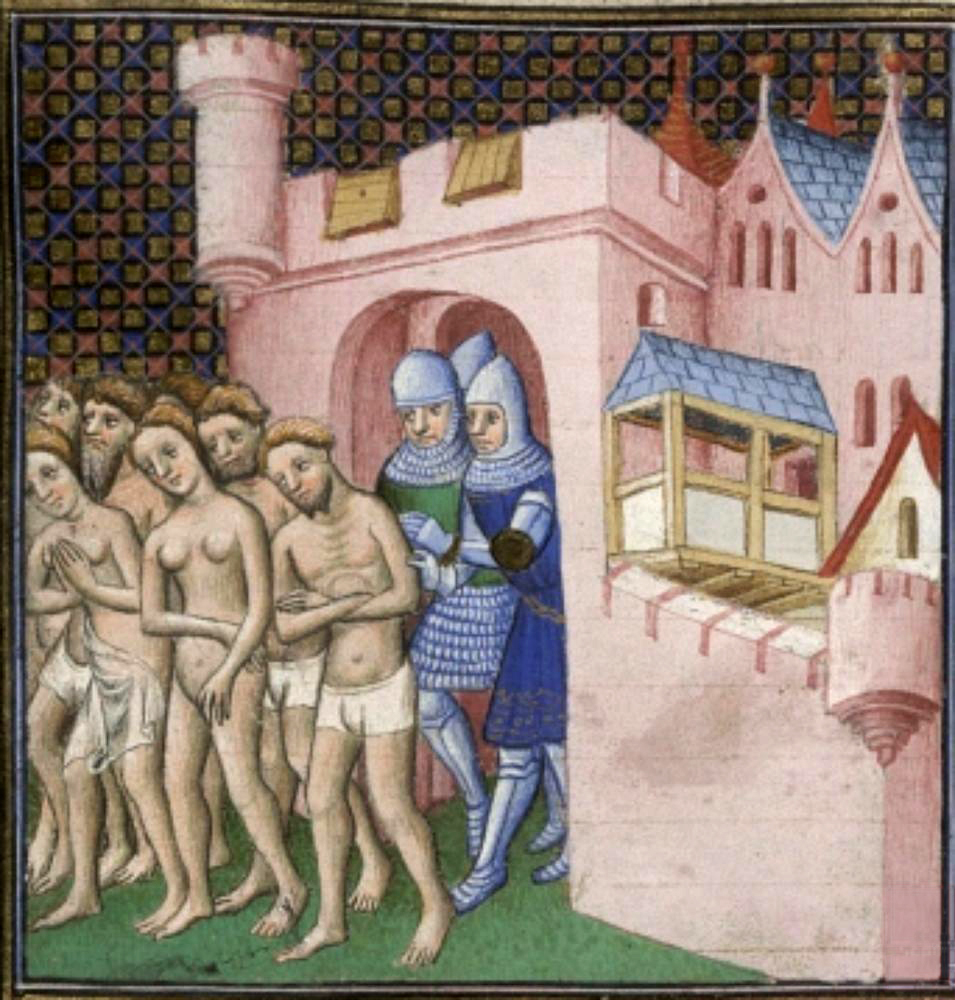
Carcassonne is a microcosm for the broader story of Occitania in the 13th Century. For, as the fortunes of Carcassonne changed drastically in 1209 during the Albigensian crusade, so too did those of the entire region.
The Albigensian Crusade (1209 – 1229), also referred to as the Cathar Crusade, was a theological and religious campaign called for by the Pope to snuff out the spreading heresy of Catharism that challenged the legitimacy of the Catholic church in Occitania. The crusade was prosecuted by the armies of the French Crown and developed a political element as the King of France saw an opportunity to consolidate power in the region that had remained somewhat outside of his direct control and influence. Thus, what was religious became political and vice versa, as is often the case in the expansion of kingdoms and states.
As the crusade progressed, whether one was a Cathar or not became increasingly irrelevant. It morphed into a battle between the lords and people that wanted an independent Occitania on one hand, and French conquest and expansion on the other. Carcassonne, then, presents a wonderful gateway to the past, to a region in transition, and to the redefining of a distinct people and culture into something we say now is quintessentially French.
Next, read Occitania Part 2: The Cathars in Southern France.